What Is a Butane Torch Lighter and How It Works
What a butane torch lighter is, the parts that matter and how the flame is produced.
콘텐츠 대행사가 아닌 공장이 작성합니다
이 지식 허브는 부탄 토치, 화염 제초, 휴대용 가스 버너에 대해 우리가 아는 모든 것을 제품을 만드는 바로 그 원저우 공장의 손으로 하나의 라이브러리에 정리합니다. 가이드의 모든 기술 수치는 자체 공장 정격 사양에서 나옵니다: 최대 약 1,300℃ 화염 온도, 최대 약 50cm 화염 길이, 5,000회 이상 정격 점화, -30℃~30℃ 작동 온도. 가이드가 수치를 말할 때 그것은 출하 전 제품마다 검사하는 수치입니다.
라이브러리는 네 가지 카테고리로 구성됩니다. 지식 가이드는 기본 질문에 답합니다 — 부탄 토치란 무엇인가, 열선 제초는 어떻게 작동하는가, 카트리지는 어떻게 안전하게 보관하는가. 비교는 실제 의사결정을 나란히 놓습니다: 부탄 대 프로판, 화염 제초 대 제초제, 공장 직접 대 트레이딩 컴퍼니. 도구 & 차트는 바이어가 열어 두는 참조 페이지입니다 — 화염 온도 차트, 카트리지 호환 가이드, 구매 체크리스트, 계절별 제초 달력. 구매 & OEM은 상업적 측면을 다룹니다: 중국 수입, MOQ 논리, 샘플링, 출하 전 검사, 결제 조건, 미국·EU 시장의 규칙.
이 허브에는 세 가지 독자가 있습니다. 수입사와 유통사는 모델을 좁히고 견적을 준비하는 데 활용합니다. 브랜드 운영사는 OEM 글로 500개부터 시작하는 자체 브랜드 출시를 계획합니다. 전자상거래 셀러는 비교와 체크리스트로 고객이 묻기 전에 답이 있는 상품 페이지를 작성합니다. 각 가이드는 그 답 뒤에 있는 모델·활용·프로세스 페이지로 연결되어 연구로 시작한 질문이 견적으로 끝날 수 있게 합니다.
둘러보기 전 한 가지 안내: 이것들은 전문 화염 공구이며 장난감이 아닙니다. 사용을 다루는 가이드에는 안전 규칙도 함께 담겨 있습니다 — 설명서를 읽고 현지 화기 규정을 지키며 공구를 어린이 손이 닿지 않는 곳에 두십시오. 가스 카트리지는 어디에서도 별도 판매이며 현지 규정에 따라 현지에서 구매해야 합니다.
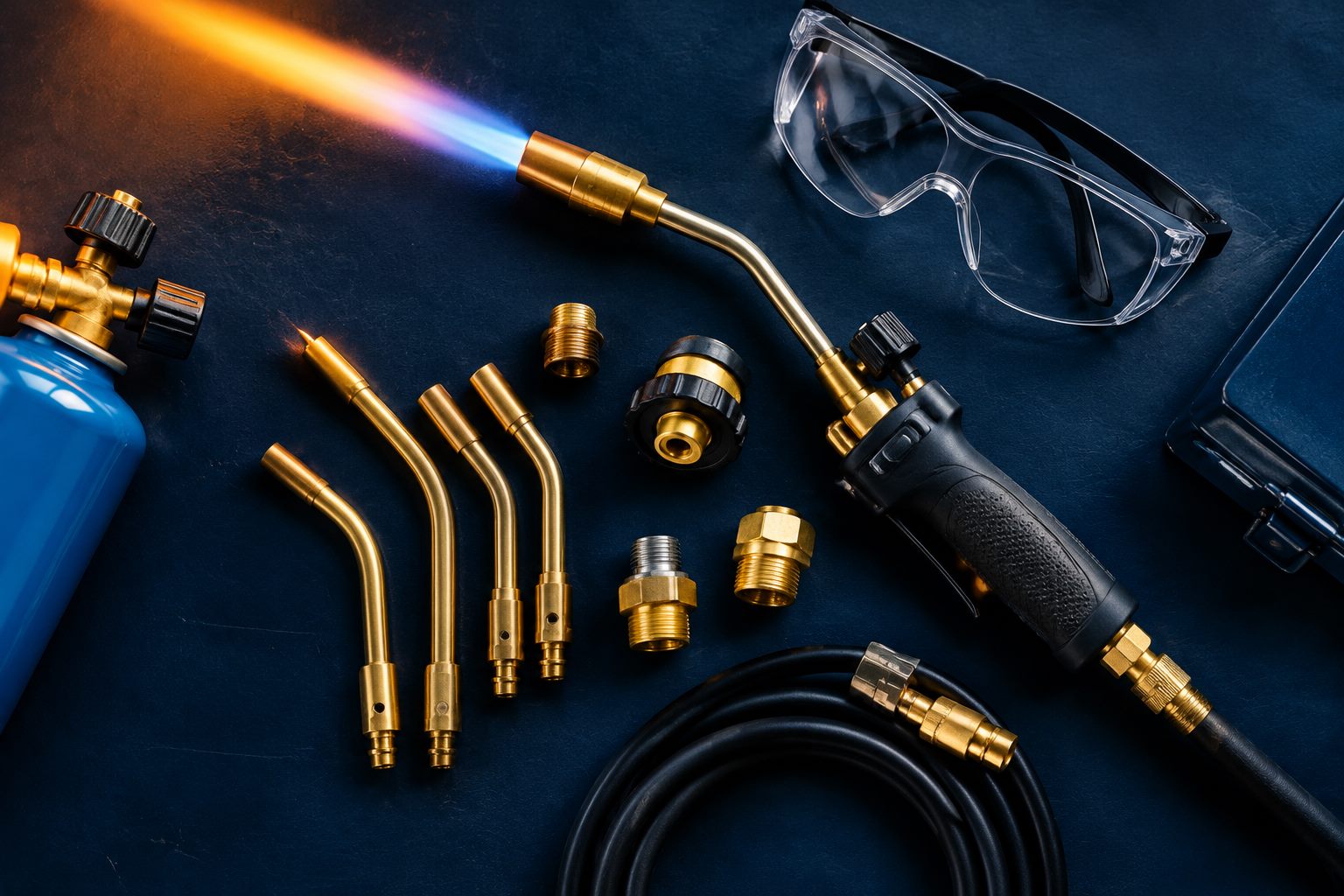
본문은 현재 영어 버전으로만 제공됩니다. 아래 목록의 각 글은 영어 원문으로 열립니다. 전문 도구이며 장난감이 아닙니다. 사용 전 설명서를 읽어 주십시오. 어린이의 손이 닿지 않는 곳에 보관하십시오. 가스 카트리지는 포함되지 않으며 현지 규정에 따라 현지에서 구매해야 합니다.
카테고리
단계에 맞는 카테고리를 고르십시오: 카테고리를 익히고, 옵션을 비교하고, 참조 차트를 챙기고, 그다음 구매 프로세스를 진행합니다.
| 카테고리 | 가이드 | 담고 있는 내용 |
|---|---|---|
| 지식 | 30편 | 무엇이고 어떻게 작동하는가 — 토치 유형, 점화, 밸브, 화염 특성, 보관, 안전 규칙. |
| 비교 | 20편 | X 대 Y 의사결정 — 연료, 공구, 방식, 구매 채널, 각각 "언제 이것을 고른다"로 끝납니다. |
| 도구 & 차트 | 20편 | 즐겨찾기할 가치가 있는 참조 자료 — 온도 차트, 호환 가이드, 체크리스트, 달력. |
| 구매 & OEM | 30편 | 상업적 경로 — 수입, MOQ, 샘플, 검사, 결제 조건, 인코텀즈, 시장 규칙. |
전체 가이드
카테고리로 필터링하거나 전체 목록을 훑어보십시오. 각 카드는 가이드를 열고, 가이드는 그 답 뒤의 모델·활용·프로세스 페이지로 연결됩니다. 본문은 현재 영어 버전으로만 제공됩니다.
100편 중 100편 표시 중.
What a butane torch lighter is, the parts that matter and how the flame is produced.
How thermal weeding works and where a flame pass replaces herbicide.
Kitchen torch basics: typical culinary jobs and what to check before buying.
How butane stores, vaporizes and burns inside a refillable torch.
What a charcoal starter torch is and how it speeds up grill prep.
How flame temperature figures are measured and what rated values really mean.
Who needs a long reach lighter and how reach changes the work.
Indoor use rules for butane torches: ventilation, clearance and common mistakes.
How electronic ignition fires and why it is rated in ignitions.
Thermal weeding explained: the chemical-free weed control method step by step.
Safe canister storage: temperature, position and shelf-life rules.
What a portable gas burner is and how it differs from an ignition torch.
Lighting charcoal without fluid: the torch method from top to bottom.
Refilling a butane torch step by step, with the checks that prevent leaks.
What backfire protection does inside a gas torch and why it matters.
Dry-weather flame weeding: the fire rules to check before you start.
Why multi-head burners spread heat more evenly for group cooking.
What factory testing covers before a gas torch ships.
What CE paperwork means for torch buyers and which models it covers.
Safe kitchen torch habits for home cooks, in one practical guide.
What makes a torch flame wind-resistant: the design basics explained.
Correct ignition and flame adjustment, knob by knob.
Whether a butane flame is food safe: the culinary facts.
Burn time facts: what a canister delivers on high and low flame.
How heat loosens old paint coats and where torches fit the job.
A torch that will not light: common causes and simple fixes.
What cold weather changes for butane torches and how to work around it.
How the valve controls flame level and cuts gas when the flame goes out.
Travel rules for butane torches and canisters before you fly.
Maintenance habits that keep ignition and seals working longer.
Butane and propane compared for torch work: temperature, cost and handling.
Flame weeding versus herbicide on cost, safety and results.
Which browns better: a kitchen torch or the oven broiler.
Torch or heat gun for paint stripping: where each one wins.
Sourcing torches in China: factory direct or through a trading company.
Weed torch and string trimmer compared: which works where.
Gas torch or charcoal chimney: lighting speed and handling compared.
Picking torch length: compact control or long-reach distance.
Burner setup and cookware planning for group meals at camp.
OEM and ODM compared: which cooperation model fits your brand.
Butane versus isobutane for torches and stoves.
Refillable and disposable lighters viewed over a lifetime of cost.
How B2B torch buying differs from retail: MOQ, terms and support.
Gas burner or campfire for outdoor cooking: control, fuel and rules.
Torch flame versus soft flame lighters: the practical differences.
Butane torch or electric igniter for charcoal grills.
Flame weeding and mulching as farm weed strategies.
Brass and stainless steel in torch and burner construction.
Buying torches in bulk: factory direct versus marketplace.
Five-head burner versus single-burner camp stoves.
Flame temperatures by fuel and use case, in one reference chart.
Which canisters fit which torches, valve types and adapters.
A buying checklist for importers: specs, tests and documents.
CE, UL and ISO paperwork explained for torch buyers.
HS classification for torch lighters, with the caveats that matter.
Packaging and carton specs to confirm before export.
A seasonal calendar for planning flame weeding work.
Searing temperatures for kitchen torch users at a glance.
Estimating gas needs for a camping trip, with worked examples.
An OEM project checklist from logo approval to container loading.
What to review in a torch factory audit, room by room.
AQL sampling for torch imports explained in plain terms.
Four torch and burner models compared in one chart.
Matching flame reach to the task, from kitchen to fence line.
What to wear and carry for flame weeding work.
The export document set for gas torch shipments.
Buyer glossary: the terms used in torch specifications.
EU standard valves and the adapters other canisters need.
Landed cost for imported gas torches, line by line.
What flame color signals about fuel, air and valve condition.
Importing torch lighters from China, step by step.
Why 500 pieces is a common MOQ start for torch orders.
The OEM manufacturing process from drawing to delivery.
Verifying a torch supplier before money moves.
Logo and branding options for custom torch orders.
How to request samples from a factory and what to test.
What to check in a pre-shipment inspection for gas torches.
Compliance basics when shipping gas torches overseas.
Torch lead times explained: deposit to delivery.
Inside the Wenzhou ignition-tool cluster and why it concentrates supply.
A buyer introduction to OEM manufacturing.
Negotiating with torch factories: terms beyond unit price.
Private label and white label for torch brands.
How the torch lighter market shapes up brand by brand.
What to compare before buying a weed torch brand.
Kitchen torch alternatives and their trade-offs.
Camping burner alternatives for group cooking.
T/T, L/C and other payment terms when importing.
EXW, FOB and CIF explained for torch buyers.
Why torch quotes differ: materials, tests and certificates.
Developing a custom torch: tooling and sample stages.
Where reliable gas torch suppliers concentrate and how to shortlist.
Positioning basics for building a torch brand.
What factories expect from a torch distributor.
A buyer watch list of torch regulations by market.
Requirements overview for selling torches in the EU.
CPSC rules and beyond for the US torch market.
Warranty and after-sales in B2B torch supply.
Why B2B buyers choose source factories over intermediaries.
Flame weeding as a landscaping business service: a guide.
읽기에서 견적으로
가이드는 "무엇을, 왜"에 답하고 이 페이지들은 "무엇이, 얼마나"에 답합니다. 모델을 비교하고 조건을 확인한 뒤 5개 항목의 RFQ를 보내십시오.
FAQ
가이드는 중국 원저우의 ZHENTANZHE 공장 팀이 발행합니다. 기술 수치는 공장의 자체 제품 정격과 검사 루틴에서 나오며, 구매·OEM 글은 실제 프로젝트에서 수입 바이어가 묻는 질문을 바탕으로 작성되었습니다.
가이드의 인용과 링크는 환영합니다. 자체 채널을 위한 재게시나 공동 브랜드 변형은 견적 양식으로 문의해 주시면 세부 사항을 확인해 드립니다.
모델, 예상 수량, 대상 시장을 담아 RFQ 양식을 보내주십시오. 수출팀이 사양, 가격, 납기, 목적지에 해당하는 인증서 세트로 답변드립니다.